
October is Cybersecurity Awareness Month, and this year, one of the hottest topics is artificial intelligence (AI). For small and mid-sized businesses across Atlanta, AI is both an incredible ally and a growing threat. Understanding both sides of the coin is critical to protecting your company, your data, and your reputation.
The upside: AI as your cyber ally
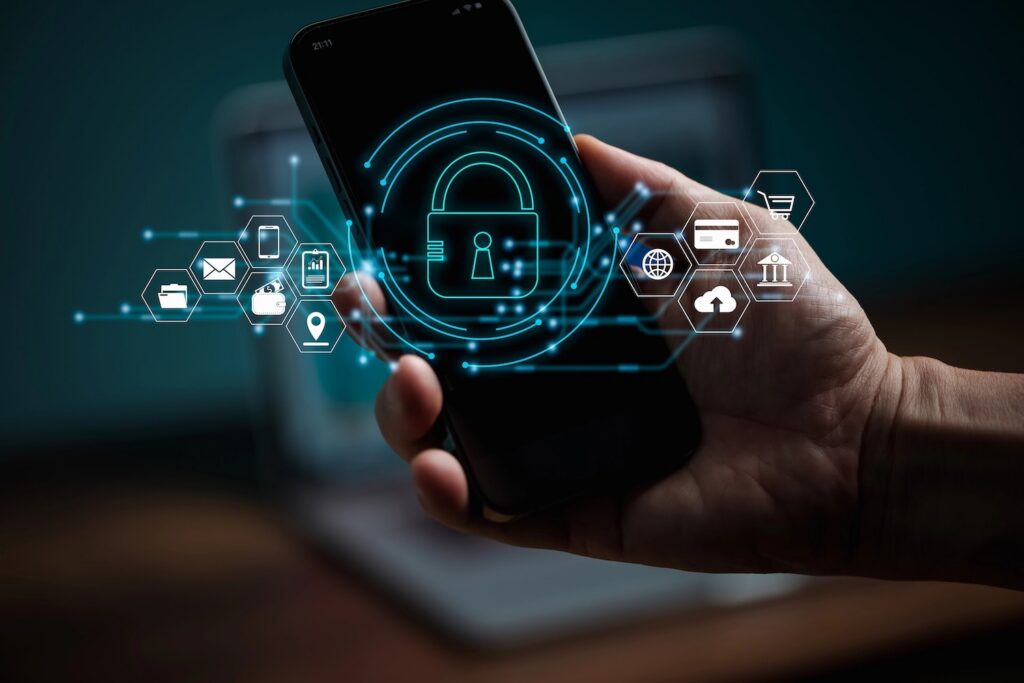
On the defense side, AI is transforming cybersecurity for the better. Advanced tools can now analyze vast amounts of network data in real time, spotting unusual patterns that might signal a breach or malware infection before a human would ever notice. AI-powered email filters can block phishing attempts more effectively by recognizing subtle signals, such as tone and formatting inconsistencies. For businesses without the luxury of a full in-house security team, these AI tools act like a 24/7 guard dog, monitoring, learning, and adapting as threats evolve.
The downside: AI in the wrong hands
Unfortunately, the same technology that strengthens our defenses is being weaponized by cybercriminals. Hackers are using AI to create more convincing phishing emails that mimic the language of trusted partners or even replicate a CEO’s writing style. Deepfake technology has already been used in scams where fake “executive” voices or videos trick employees into wiring money or sharing sensitive information. In short, attacks are becoming harder to spot, even for savvy users.
What Atlanta businesses need to know
For small and mid-sized companies, the implications are clear: cybersecurity is not optional, and traditional defenses are no longer enough. Here are three steps to consider:
- Educate your team regularly. Human awareness remains your first line of defense. Provide ongoing training to ensure employees are aware of the latest AI-driven scams.
- Invest in layered security. AI tools should complement, rather than replace, other defenses such as firewalls, endpoint protection, and multifactor authentication.
- Understand your compliance obligations. Depending on your business, that could mean HIPAA for medical practices, FINRA for financial services, IRS data protection and e-file security requirements for accounting firms, GDPR if you operate in Europe, PCI if you accept credit cards, or broader frameworks like SOC or ISO, sometimes by choice and other times because your customers require it. Missing the mark doesn’t just expose you to breaches; it can also lead to serious regulatory penalties.
Looking ahead: AI vs. AI
AI in cybersecurity is still in its early chapters. Over time, we’ll see more automated defense tools, while attackers will continue to evolve their use of deepfakes, synthetic identities, and AI-generated malware. That means the “AI vs. AI” battle will only intensify. Businesses that start preparing now, by strengthening defenses and staying informed, will be in a far better position to adapt.
At Network 1, we’re proud to help Atlanta’s small and mid-sized businesses understand, prepare for, and respond to these challenges every day. If you’d like to talk about where your defenses stand and how to stay ahead, our team is here to help.

Comments are closed for this post.